
Hot, Then Cold: The Science of Contrast Therapy on the Ranch


Steam rises off the hot tub into a sky the color of steel. You sit in water warm enough to make your skin flush, while the air around your face is cold enough to sting. After a few minutes, you stand, step onto the deck, and let the winter air pour over you. Your skin tingles. Your breath catches, then slows. Your mind, which was full of noise an hour ago, goes completely clear.
Then you sink back into the warmth.
People have done some version of this for thousands of years. Roman bathhouses moved from hot rooms to cold pools. Finnish families still run from the sauna into a lake or a snowbank. Japanese bathing culture holds hot springs at the center of community life. Today, the practice has a modern name, contrast therapy, and a modern following, complete with ice tubs and wearable trackers.
Underneath the trend sits real physiology. It is also a place where the claims often run ahead of the evidence. So let us look at both: what heat and cold actually do, what remains uncertain, and how to practice contrast therapy wisely, especially on a quiet ranch in the Ozark Mountains.
Heat: The Body Opens
When you sit in hot water, your body faces a simple problem. It is gaining heat faster than it can release it.
The response is immediate. Blood vessels in your skin widen, a process called vasodilation, so that warm blood can move to the surface and shed heat. Your heart rate rises to move more blood. Blood pressure in many people falls a little, because the vessels are wider. Your muscles soften. If you stay long enough, you begin to sweat from the parts of your body above the water.
Inside your cells, a family of proteins called heat shock proteins increases. These molecules act as chaperones, helping other proteins keep their correct shape and helping cells handle stress. Heat shock proteins were first described in fruit flies, and they are now known across nearly all forms of life. Researchers are interested in whether regular heat exposure, by stimulating these protective pathways, might support cellular resilience over time. That is a reasonable hypothesis, and it is still being studied.
The most compelling human evidence comes from long-term observational research in Finland, where sauna bathing is woven into daily life. In large groups of middle-aged men followed for many years, those who used a sauna more often had lower rates of cardiovascular death and other outcomes. Observational studies cannot prove cause and effect. People who sauna often may also differ in other ways. Yet the pattern is consistent enough that researchers have begun testing heat directly.
Small experimental studies of passive heat therapy, such as repeated hot water immersion, have reported improvements in measures of blood vessel function and blood pressure in sedentary adults. In a sense, heat may offer the vessels some of the same signal that exercise does: increased flow, increased shear force along the vessel lining, and a call to adapt.
Heat is also profoundly calming for many people. The muscles release. The breath deepens. And as we will see, a warm soak in the evening can help you fall asleep.

Cold: The Body Tightens
Cold produces nearly the opposite response.
When cold water or cold air hits your skin, the small vessels at the surface constrict, a process called vasoconstriction, to protect your core temperature. Blood moves inward. Cold receptors in the skin fire rapidly, and the brainstem responds with a burst of activity in the sympathetic nervous system.
If the cold is sudden and intense, such as plunging into cold water, you may experience the cold shock response: an involuntary gasp, rapid breathing, and a spike in heart rate and blood pressure. This response typically peaks in the first minute and then begins to settle. It is also the reason cold water can be dangerous, especially for people with heart conditions, and why no one should ever plunge into cold water alone.
Then the chemistry shifts. In one classic study, people immersed in water of about 14 degrees Celsius, roughly 57 degrees Fahrenheit, for an hour showed large increases in norepinephrine and dopamine in the blood. Norepinephrine sharpens attention and alertness. That may explain why so many people describe a lift in mood and a clarity of mind after cold exposure. Shorter and gentler exposures produce smaller effects, and the brain chemistry is not identical to blood chemistry, but the direction is consistent.
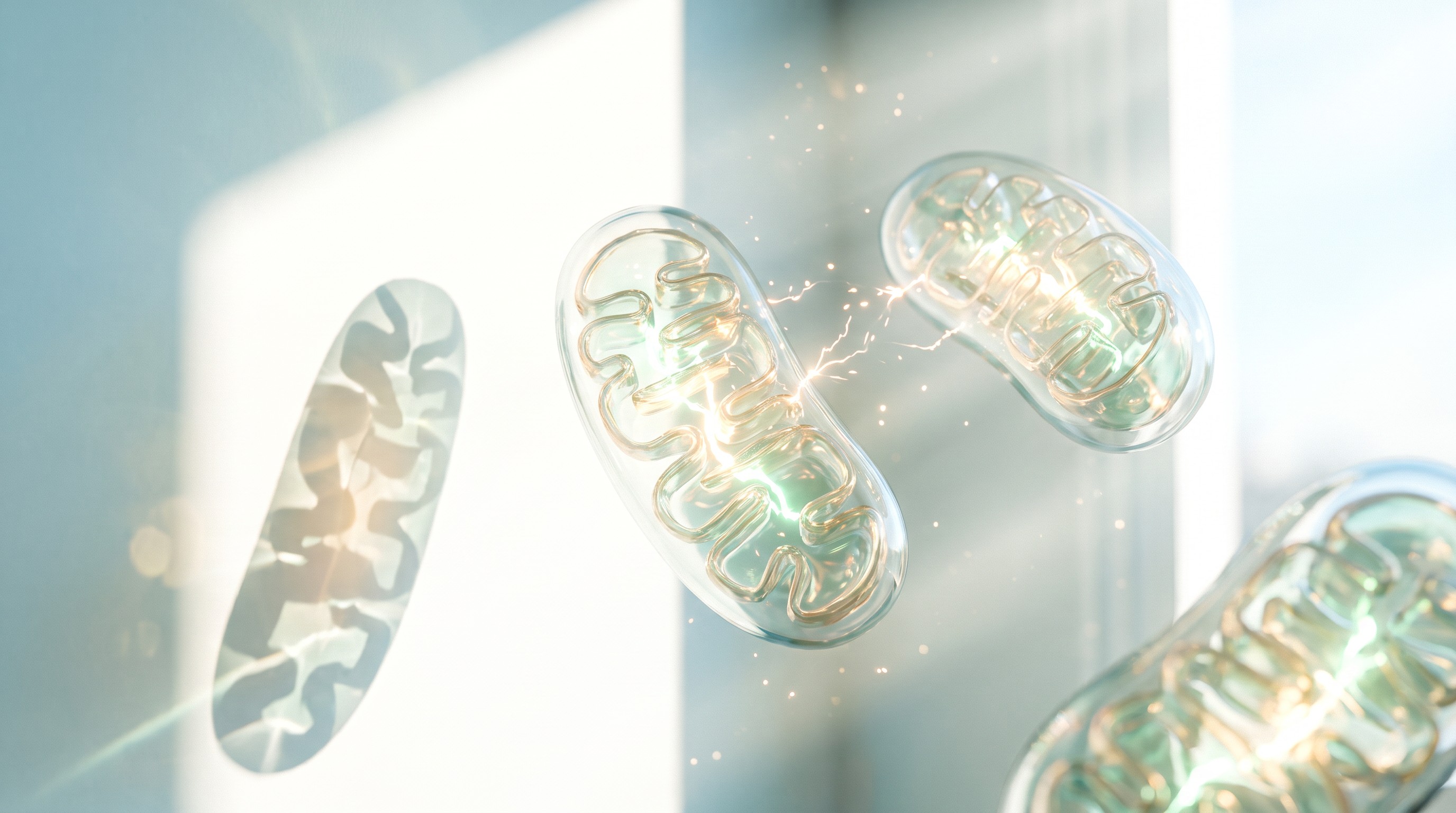
Cold also asks the body to produce its own heat. Shivering is one route. A quieter route runs through brown adipose tissue, a specialized fat packed with mitochondria that can burn fuel directly to make warmth. Regular mild cold exposure appears to increase brown fat activity in adults, and researchers are studying its effects on blood sugar and metabolism.
Finally, cool water on the face can trigger the diving reflex, in which the heart slows through the vagus nerve. It is one of the fastest ways to shift the heart rate down, and it is why splashing cold water on your face can feel so calming when you are overwhelmed.
Why the Contrast Matters
So heat opens the vessels, and cold closes them. What happens when you alternate?
One way to picture it is a pump. As the vessels widen and narrow, blood and lymph are pushed and pulled through the tissues. Your lymphatic system has no central pump of its own. It relies on movement, muscle contraction, and changes in pressure. Contrast therapy may help move fluid through tissues, which is one reason it is popular among athletes for recovery. Studies of contrast water therapy after exercise suggest modest benefits for perceived soreness and fatigue compared with passive rest, though the research varies in quality.
A second way to picture it is as training for the autonomic nervous system. Heat tends to shift you toward relaxation. Cold produces a deliberate, controlled stress. Moving between the two asks your nervous system to adapt quickly and then return to calm.
This is the part I find most compelling as a Functional Neurology clinician. Resilience is not the absence of stress. Resilience is the speed and grace of recovery after stress. Every time you meet the cold, breathe through the first sharp moments, and then let your body settle, you rehearse that recovery. Your brainstem experiences intensity without real danger. Many people find that this lesson travels with them into stressful meetings, difficult conversations, and long nights.
That is a working hypothesis, not a proven treatment. Yet it matches the physiology, and it matches the experience of many people who practice regularly.
The Honest Limits
Because contrast therapy has become fashionable, it attracts exaggerated claims. Here is what I would like you to know.
Cold exposure is not a cure for depression, inflammation, or metabolic disease. It may be one helpful input among many.
Very cold water carries real risk, including heart rhythm problems, a sudden rise in blood pressure, and the danger of drowning from cold shock. More extreme is not more effective.
Cold water immersion right after strength training may reduce some of the muscle-building response to that workout. If building strength is your goal, consider separating the two by several hours.
Research on women is limited. Women tend to regulate temperature differently, and responses may shift across the menstrual cycle and through perimenopause. For a body already carrying chronic stress, thyroid strain, or poor sleep, a gentler approach is often wiser.
Heat also has limits. Prolonged hot water can cause dizziness, dehydration, and fainting, particularly when combined with alcohol.
Please speak with your clinician first if you are pregnant, have heart disease, high or very low blood pressure, Raynaud phenomenon, cold urticaria, a seizure disorder, or take medications that affect heart rate or blood pressure.
How I Think About Dosing
In my practice, I treat heat and cold the way I treat any intervention: as information delivered to a nervous system. The right dose depends on the state of the system receiving it.
For someone who is depleted, anxious, and sleeping poorly, I start gently. Warmth first, to build a sense of safety. Then a brief, cool finish, not an icy shock. The goal is a pleasant tingle and a feeling of alertness, not a fight for breath.
For someone who is well rested, metabolically healthy, and looking for a challenge, we can progress gradually, with longer cool exposures and more rounds.
The sign that you have overdone it is clear. If you feel wired and exhausted afterward, cannot sleep that night, or feel worse the next day, scale back. The sign that the dose is right is equally clear. You feel calm, warm, and awake, and you sleep well.
Contrast Therapy at Resonant Ranch

You do not need a high-tech spa to practice this. The Cabin at Resonant Ranch has what you need.
The heat comes from the private hot tub on the deck, which looks out toward the pond and the bluffs. The cool comes from three natural sources, depending on the season.
In winter, the cold is the air itself. A soak followed by a few minutes standing on the deck in cold mountain air is a gentle and beautiful form of contrast. You can see your breath, feel the cold on your skin, and watch the stars come out.
In any season, a cool shower indoors can serve as the cold phase. It is easy to control, and you can adjust it to exactly the intensity you want.
In the warmer months, the spring-fed creeks of the Buffalo River country run cool and clear. Wading into a creek after a warm hike is one of the oldest and most delightful forms of contrast therapy there is. Always respect moving water, never wade alone, and check conditions before you go.
A Simple Ranch Protocol
Here is a gentle sequence for beginners. Adjust it to how you feel.
Soak in the hot tub for 10 to 15 minutes. Keep your breathing slow. Drink water before you begin.
Step out and cool down for 30 seconds to 2 minutes, either in the winter air on the deck or in a cool shower. Breathe slowly, with your exhale longer than your inhale.
Return to the warmth for 5 to 10 minutes.
Repeat for two or three rounds.
Finish with a period of rest, wrapped in a warm robe or blanket, letting your body settle on its own.
Many people prefer to end on cool in the morning, for alertness, and to end on warm in the evening, before sleep. Experiment, and notice what your body tells you.
The Evening Soak and Sleep
The evening hot tub is one of my favorite rituals at the ranch, and it has a solid physiological basis.
To fall asleep, your core temperature needs to drop. Warm water draws blood to the skin. When you step out, that blood releases heat, and core temperature falls more quickly. A systematic review of studies on evening bathing found that warm water immersion about one to two hours before bedtime was associated with falling asleep faster and better reported sleep.
So if your goal is deep rest, keep the evening sequence warm and gentle. Save the bigger cold challenges for the morning, when the alerting effect works in your favor.
Pair It With Light and Movement
Contrast therapy works best as part of a day that supports your whole physiology.
Morning light is the strongest signal for your internal clock. A morning cool rinse on the deck, followed by ten minutes of looking at the bright eastern sky, tells your brain that the day has begun.
Movement amplifies everything. A hike on the trails near the ranch warms your body from the inside, increases blood flow, and gives your brain the rich sensory input of uneven ground. Then the hot tub becomes recovery rather than escape.
Breath ties it together. Slow nasal breathing and long exhales during the cold phase train your nervous system to stay steady under intensity.
What Bathing Cultures Have Always Known
Long before anyone measured norepinephrine or heat shock proteins, people around the world built entire rituals around heat, cold, and rest.
In Finland, the sauna has been part of family life for centuries. A traditional sauna session moves through several rounds of heat, each followed by a cooling break outdoors or in a lake, and then a long rest. The rest is not an afterthought. It is considered part of the practice.
In Japan, communal bathing in hot springs, called onsen, is a ritual of washing, soaking, and quiet. Bathers often move between indoor and outdoor pools, feeling the change in air temperature on the face while the body stays warm.
In the Roman world, public baths moved bathers through warm rooms, hot rooms, and cold plunges, and the baths were places of conversation and community as much as hygiene.
In many Indigenous traditions of North America, sweat lodge ceremonies combine intense heat with prayer, song, and community, followed by a return to the cool air of the outdoors.
What strikes me about these traditions is what they share. None of them treat heat or cold as a feat of endurance. They treat them as a rhythm, held within rest, connection, and meaning. The modern approach often isolates the most extreme element, the coldest plunge or the longest sauna, and turns it into a competition.
The older wisdom suggests a gentler path. The benefit may lie not in how much discomfort you can tolerate, but in the full cycle: warming, cooling, resting, and returning to yourself, often in the company of people you trust and in the presence of nature.
That is the spirit in which I offer contrast therapy at the ranch. Not as a test, but as a ritual.
Why This Belongs in a Retreat
At its heart, contrast therapy is a practice of attention. For a few minutes, you cannot think about your inbox. You are fully in your body, feeling heat, cold, breath, and sky. Many people describe that state as a deep reset, and I believe that is one of its most valuable effects.
It is also a reminder that the body is built to adapt. You are not fragile. Your vessels, your nerves, and your cells are designed to respond to challenge and return to balance. When the conditions are right, they do so beautifully.
Resonant Ranch is designed around those conditions: clean air, real darkness, morning light, moving water, quiet, and time. The hot tub under the stars is not a luxury add-on. It is part of the medicine of the place.
To explore the full story of the land and the vision behind it, read I Bought a Mountain: The Story of Resonant Ranch.
Plan Your Stay
Your nervous system was built to move between warmth and challenge, effort and rest. Give it the conditions to practice.
Your circulation can open. Your stress response can steady. Your sleep can deepen.
Book your stay at ozkcabins.com, or request a free Discovery Call and we will shape a ranch retreat around what your body needs.


Comments