
A Migraine Is Not a Headache. It Is a Brain Energy Crisis.


I know this one from the inside.
At sixteen, after a traumatic brain injury, migraines became part of my life. I remember the shimmer at the edge of my vision, the light that felt like an assault, the nausea, the vertigo, the dark room, and the long hours of waiting. I remember how people responded. Oh, you have a headache? Have you tried drinking more water?
If you live with migraine, you know how that sentence lands.
Calling a migraine a headache is like calling a hurricane a breezy afternoon. The pain may be the most visible part, but it is only one stage of a neurological event that can involve the hypothalamus, the brainstem, the thalamus, the cortex, the blood vessels, the gut, and the immune system. It may begin a full day or two before the pain arrives.
Migraine is one of the leading causes of disability worldwide. It affects more than a billion people, and women around three times as often as men.
I want to offer you a frame that changed my understanding of my own brain, and that shapes how I care for my patients.
A migraine is not simply pain. It may be what happens when an exquisitely sensitive brain runs into an energy shortfall.
The Four Acts of an Attack
A full migraine can unfold in four phases, although not everyone experiences all of them.
The first is the premonitory phase, sometimes called the prodrome. It can begin hours to days before the headache. Yawning, food cravings, neck stiffness, mood changes, frequent urination, fatigue, and sensitivity to light may all appear. Imaging studies have captured activation in the hypothalamus during this window. So the attack is already underway while you still feel only a bit off.
The second is the aura, experienced by perhaps a quarter to a third of people with migraine. Shimmering zigzag lines, blind spots, numbness that creeps along the hand and face, or trouble finding words can each be part of it. This phase is linked to cortical spreading depolarization, a slow wave of intense electrical activity followed by silence, which moves across the cortex at a few millimeters per minute. You can literally feel a wave of electrical change crossing your brain.
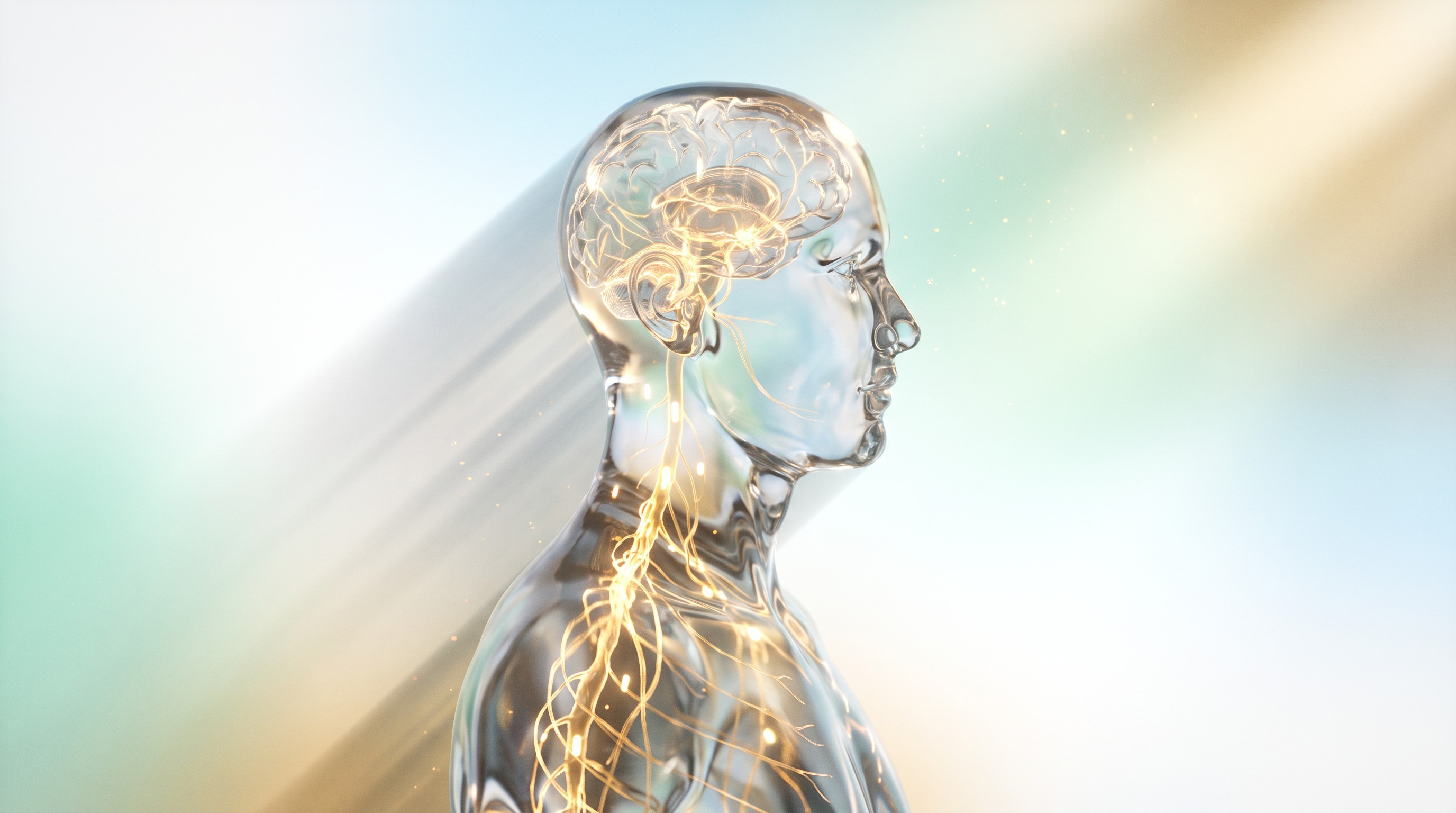
The third is the headache itself. Here the trigeminovascular system comes into play. Sensory fibers of the trigeminal nerve surround the blood vessels of the meninges. When activated, they release neuropeptides, including calcitonin gene-related peptide, known as CGRP. Those signals travel to the brainstem and the thalamus and reach the cortex. Pain, light sensitivity, sound sensitivity, and nausea follow. Modern CGRP-targeted medications arose directly from this research. They have changed many lives, and they demonstrated that migraine is a biological disease of signaling.
The fourth is the postdrome. People often call this the migraine hangover. They feel drained, foggy, and fragile for a day or more. The brain is not finished when the pain is finished.
The Energy Hypothesis
Now let us look at the deeper question. Why does a migraine brain do this?
Magnetic resonance spectroscopy studies have suggested reduced energy reserves in the brains of people with migraine, even between attacks. Phosphocreatine, a rapid energy buffer, may be lower. Researchers have also described signs of mitochondrial dysfunction and altered glucose metabolism.
Some interesting clues point in the same direction.
Migraine brains show hyperexcitability. Their sensory cortices respond more strongly to repeated stimulation, and they often fail to habituate to it. For most brains, the fifth flash of light gets less response than the first. For a migraine brain, it may not.
Attacks are often provoked by energy threats: skipped meals, poor sleep, excessive exertion, and hormonal swings.
Certain nutrients involved in mitochondrial function have supporting evidence. Riboflavin, magnesium, and coenzyme Q10 have all been studied in migraine prevention, and they appear in headache society guidance, with varying levels of evidence.
Early small trials using a ketogenic diet or exogenous ketones, which provide the brain with an alternative fuel, have also reported encouraging reductions in attacks. This research is still young.
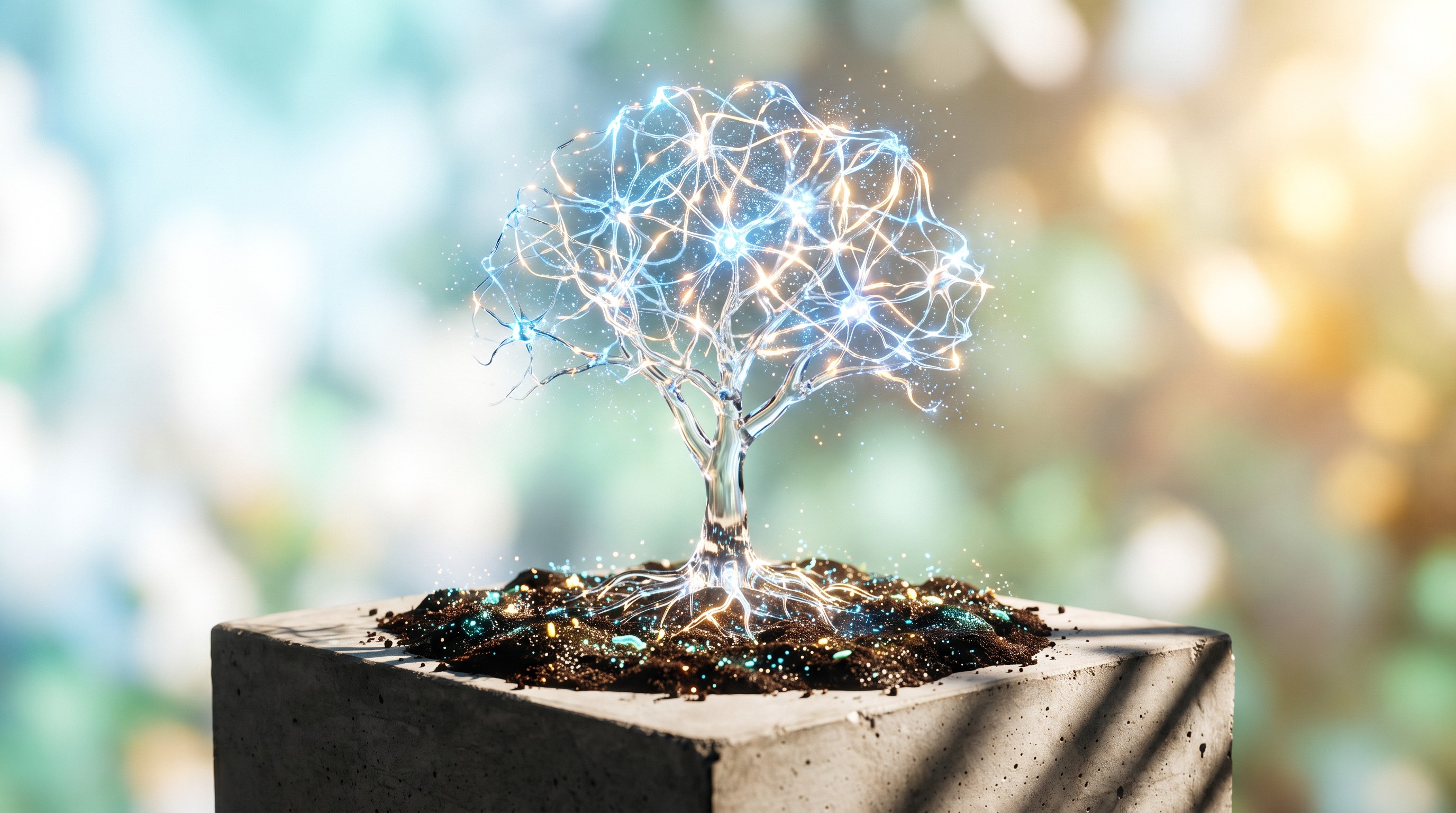
As a working hypothesis, then, the migraine brain may be something like a high-performance engine with a smaller fuel tank. It detects more. It processes more. It burns more. When demand exceeds supply, it pulls an emergency brake.
If this is right, then the attack may be, in part, a protective response. It forces you into a dark room, removes you from stimulation, stops your eating and moving, and imposes rest.
That idea changed how I felt about my own brain. It was not betraying me. It was defending itself.
Your Trigger May Not Be a Trigger
Here is one of the most intriguing findings in migraine science.
Many people are sure that chocolate triggers their migraines. Yet, during the premonitory phase, one of the classic symptoms is a craving for certain foods, including sweets. So it may be that the attack has already begun, your hypothalamus is seeking energy, you eat the chocolate, and a few hours later the headache arrives. You blame the chocolate. The chocolate may simply have been a passenger.
The same logic applies to bright light. If you have noticed that sunlight triggers your migraine, it is possible that your brain had already started the attack and become more sensitive to light. Some experiments have found that exposure to supposed triggers does not reliably provoke attacks.
This does not mean that real triggers do not exist. They do. It means that a long list of forbidden foods can steal your life without actually protecting you. I would rather think about thresholds.
Picture your migraine threshold as a line. Each stressor adds to your load: a poor night of sleep, the premenstrual drop in estrogen, a skipped breakfast, a glass of red wine, a tense neck, a low iron level, a weather shift. On a good day, the load stays under the line. On a bad day, the same glass of wine pushes it across.
This is also why my toxic burden bucket framework fits migraine so well. The aim is not to avoid every drop. It is to lower the level in the bucket so that a single drop does not make it overflow.
The Hormone Connection
Migraine rates are similar in boys and girls before puberty. Then, after puberty, they climb sharply in females.
The main culprit seems to be estrogen withdrawal. In the days just before a period, a fall in estradiol can make the trigeminovascular system more sensitive, and it can alter serotonin, CGRP, and magnesium dynamics. Menstrual migraines are often longer and more severe. Perimenopause can make migraines dramatically worse, as hormones swing wildly. Many women find that migraines improve during pregnancy, especially by the second and third trimesters, and may improve after menopause.
One safety note is important. Migraine with aura is associated with a raised risk of ischemic stroke, and that risk may be increased further by estrogen-containing contraceptives and by smoking. If you have aura, please make sure that your prescriber knows.
The Neck, the Injury, and the Brainstem
A key piece of anatomy helps explain why so many migraines involve neck pain. The trigeminal nerve, which carries sensation from the head, shares a relay station with the upper cervical nerves, C1 through C3. This region of the brainstem and upper spinal cord is called the trigeminocervical complex.
That convergence means that tension and dysfunction at the top of your neck can send signals into the same pathway that your brain interprets as head pain. It also means that neck stiffness may be both a symptom of the attack and a contributor to the threshold.
Post-traumatic headache is one of the most common consequences of concussion, and it often resembles migraine. So when I meet someone whose migraines began or worsened after a car accident, a fall, or a sports injury, I want to know exactly what that injury did to their vestibular system, their eye movements, and their neck. In my case, nobody had looked closely enough until a Functional Neurologist and Chiropractor did.
The Vestibular and Abdominal Faces of Migraine
Migraine does not always involve head pain, and this fools a lot of people.
Vestibular migraine can cause episodes of vertigo and imbalance, sometimes without any headache at all. It is one of the most common causes of recurring dizziness and is frequently missed.
In children, migraine can show up in the belly. Abdominal migraine causes recurring bouts of central stomach pain with nausea. Cyclic vomiting syndrome causes dramatic episodes of repeated vomiting between periods of good health. Benign paroxysmal vertigo of childhood causes brief spells of dizziness. Many of these children go on to have classic migraine later. Motion sickness in childhood is also a common companion.
If your child has unexplained stomach pain, gets carsick easily, and has a parent with migraine, this is worth a conversation. Migraine has a strong genetic component, and the family history tells us a great deal.
For children, I examine their eye movements, primitive reflexes, airway, sleep, ferritin, and magnesium, along with tongue and lip ties. Teenagers in particular need regular meals, real sleep, and a limit on screens and caffeine. Our brain is the master system, at any age.
When to Seek Urgent Care
Please seek emergency evaluation for the worst headache of your life, especially when it comes on suddenly and peaks within seconds or a minute. The same applies to a headache with fever and stiff neck, weakness or numbness on one side, confusion, trouble speaking, vision loss, a seizure, or a new headache after a head injury. New headaches after the age of 50, or during pregnancy, also warrant prompt medical evaluation.
Those are not moments for functional medicine. They are moments for an emergency department.
The Rebound Trap
A hidden reason that migraines become chronic is medication overuse. Using acute pain medications too often, often around ten to fifteen days a month or more depending on the drug, can actually increase the frequency of headaches. Triptans, combination analgesics, and opioids are all involved. Ibuprofen and acetaminophen can contribute when used very often.
Nobody chose this. People were simply trying to get through their week. If you are reaching for acute medicine most days, please discuss a plan with your prescriber. Do not simply stop by yourself, since withdrawal needs support.
How I Build a Migraine Plan
My aim is not simply to stop the attack. It is to raise your threshold and build your reserve.
First, I work on rhythm. The migraine brain hates variability. Keep the same wake time, the same meal timing, and the same hydration routine each day. Consistency is a deceptively powerful treatment.
Second, I support energy. I stabilize blood sugar with protein at breakfast. I look at fasting insulin, because insulin resistance has been associated with chronic migraine. I check magnesium, riboflavin, and CoQ10 status, where relevant, and I consider supplementation with your clinician. I check ferritin, B12, vitamin D, and thyroid function.
Third, I address the hormones. Tracking your attacks against your cycle often reveals a precise window of vulnerability, and this allows for targeted planning around it.
Fourth, I reduce the bucket. We look at sleep apnea, gut function, food sensitivities, mold, chemical fragrance, and other sources of inflammation.
Fifth, I examine the neurology. A comprehensive functional neurological exam may reveal issues in your vestibular function, your eye movements, your cervical spine, and your autonomic nervous system. Those findings then become a neuroplasticity plan. We reduce neuroinflammation and rebalance neurotransmitters. We use gentle, graded sensory exposure to retrain the brain to habituate. Where there has been a significant injury, a NeuroQuant volumetric MRI may provide a helpful objective baseline.
Sixth, I reach for the simple sensory tools. Some people report relief with narrow band green light, which has been studied at very low intensities for reduced light sensitivity and pain. Precision tinted lenses help some individuals. Cold packs to the head and the neck, a dim room, and slow breathing all remain valid.
Finally, please use the modern medical tools when you need them. CGRP medications and other preventive and rescue treatments have helped many people. I am not here to argue against them. I am here to examine what is upstream of them.
Keeping the Right Kind of Diary
Most headache diaries record only the attack. I ask you to record the days before it. Note your sleep, your meals, your cycle day, your stress, your neck, and any odd early signs, such as yawning, cravings, irritability, or needing to urinate often. Within a few months, many people can recognize their own prodrome, and that recognition changes everything. If you know an attack is forming, you can eat, rest, hydrate, dim the lights, and take your rescue medication early, when it tends to work best. You stop being ambushed. You start to see the storm forming on the horizon.
Why Weekends Can Hurt
Many people notice attacks on the first day of a vacation or on Saturday morning. As the pressure falls, cortisol drops, sleep shifts, caffeine arrives later than usual, and breakfast gets delayed. The migraine brain reads that sudden change as instability. Keeping your wake time, your coffee time, and your breakfast close to their weekday pattern can quietly prevent a lost weekend.
Water, Salt, and the Long Afternoon
Dehydration is a well-known provoker of headaches, and I see plenty of people who are drinking coffee all morning and very little else. Sip water throughout the day, and include minerals through food. Keep a snack with protein nearby so that a late meeting never turns into a skipped lunch.
Sleep Is a Two-Edged Sword
Migraine and sleep have a complicated relationship. Too little sleep can provoke an attack, and so can too much. Many attacks begin in the early morning hours, and an attack is often relieved by sleep. Researchers suspect that shared brainstem and hypothalamic circuits are involved. For this reason, I aim for regularity rather than quantity alone. If you wake with headaches most mornings, please also consider a sleep evaluation, because sleep apnea and teeth grinding can both be hiding behind that pattern.
A Different Relationship With Your Brain
For years I saw my brain as my enemy. I now see it as a precise, sensitive, and extraordinarily perceptive instrument, one that had been asked to run for too long on insufficient reserves after an injury no one had properly mapped.
Many of the people I meet with migraine are highly attuned. They notice light, sound, smell, weather, and the moods of everybody in the room. Their sensitivity is part of who they are, and it is often a gift in their work and their relationships. It simply requires more careful fuel and more careful maintenance.
You are not weak, dramatic, or unlucky. You have a remarkable brain that is asking for better conditions.
Your threshold can rise. Your attacks can soften. Your days can belong to you again.
Schedule Your Comprehensive Functional Neurological Exam Today
Book your Comprehensive Functional Medicine Eval/Neurological Exam today to discover what the contributing root causes are that are underlying your health concerns.
Begin at drleiladoolittle.com. I see patients by telehealth and in person in Dallas, Texas and Compton, Arkansas.

Comments